Irrigation runs essentially year-round
Without a real winter dormant season, a North Miami irrigation system’s backflow connection sees near-constant use, which is part of why annual testing genuinely matters rather than being a formality.
24/7 dispatch, based in North Miami
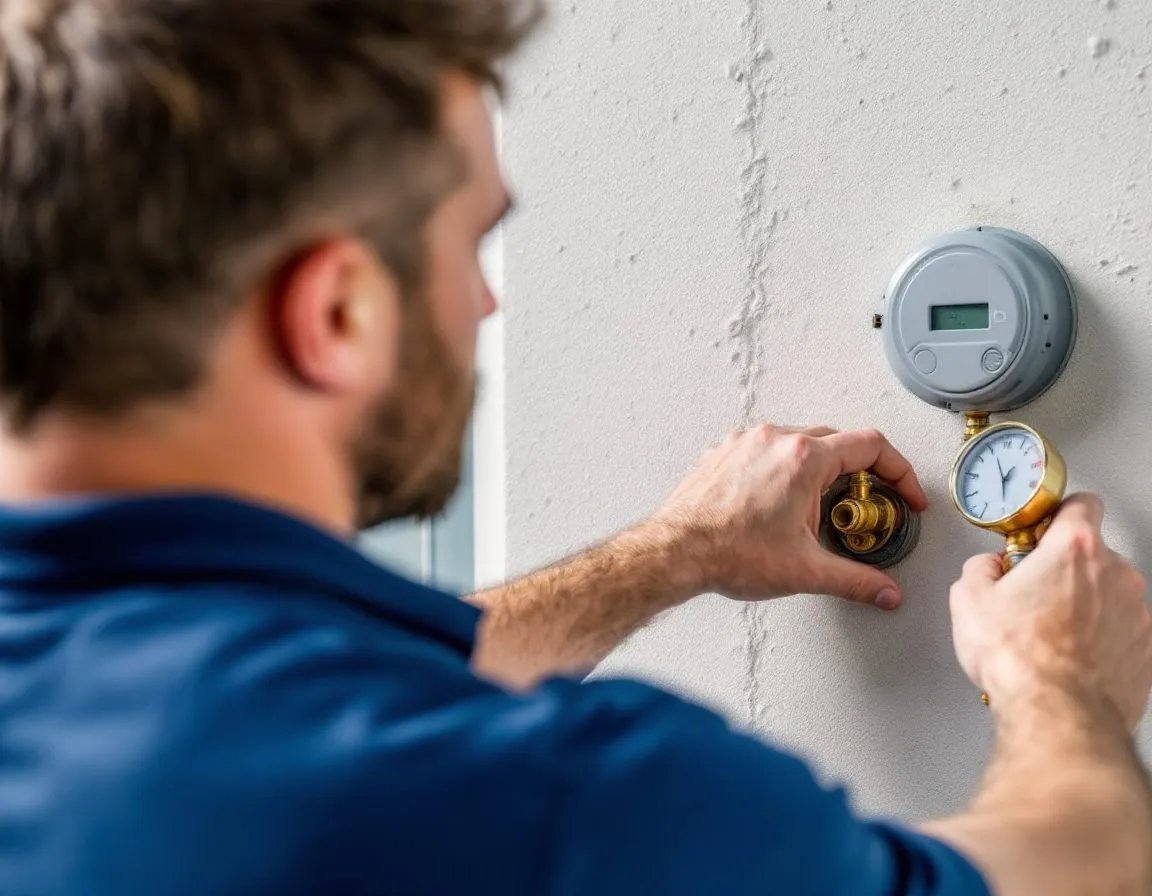
A backflow preventer keeps irrigation or supply water from siphoning back into the drinking water system, and the only way to know one is actually still working is to test it, not to assume it because it was installed correctly once.
Why does a backflow preventer need testing if it was installed correctly?
A backflow preventer’s internal check valves and seals wear over time like any mechanical part, and a device that passed its test last year is not guaranteed to still be sealing correctly today, which is exactly why annual testing exists as a standard practice.
The device’s job is preventing contaminated water, from an irrigation system, a pool, or any non-drinking source, from being pulled backward into the household or municipal supply during a pressure drop, a real risk rather than a theoretical one.
A property with an irrigation system is the most common reason a household needs backflow prevention at all, and North Miami’s year-round lawn watering means that connection sees more constant use than it would somewhere with a real seasonal shutdown.
A licensed test produces documentation that is often required by the county or by an HOA, which is worth having on file rather than assuming a device is compliant without ever confirming it in writing.
What to watch for
Testing is routine, but a few signs are worth acting on sooner.
The standard interval for most residential and irrigation backflow devices.
Can be normal relief-valve function or a sign of a failing seal, worth checking.
A straightforward test and report resolves this without guesswork on either side.
A new connection is the right moment to confirm backflow protection is in place at all.
Why this matters year-round here
Climate, property layout and county requirements all shape how often this device actually gets called on here.
Without a real winter dormant season, a North Miami irrigation system’s backflow connection sees near-constant use, which is part of why annual testing genuinely matters rather than being a formality.
The county requires periodic backflow testing as part of its cross-connection control program, and documentation from a licensed test is what actually satisfies that requirement.
Where a North Miami duplex was set up with a single irrigation line serving both units, confirming that arrangement matters for whose backflow device is actually protecting the shared connection.
Frequently asked
Possibly, depending on the property’s other connections; a pool, a fire sprinkler line or certain plumbing configurations can also require their own backflow protection even without irrigation.
Generally a straightforward visit, well under an hour for a typical residential device.
It gets repaired or replaced on the spot where reasonably possible, with a retest confirming it passes before the visit is done.
Yes, written documentation is provided after every test, which is often exactly what the county or an HOA is actually asking to see on file.
Related
Same dispatch line
The estimate costs nothing and comes with no obligation to book anything afterward.
