Decades-old landscaping on original lots
Many North Miami properties still carry trees and plantings established well before any current owner, and an open trench would set that landscaping back by years, not weeks.
24/7 dispatch, based in North Miami
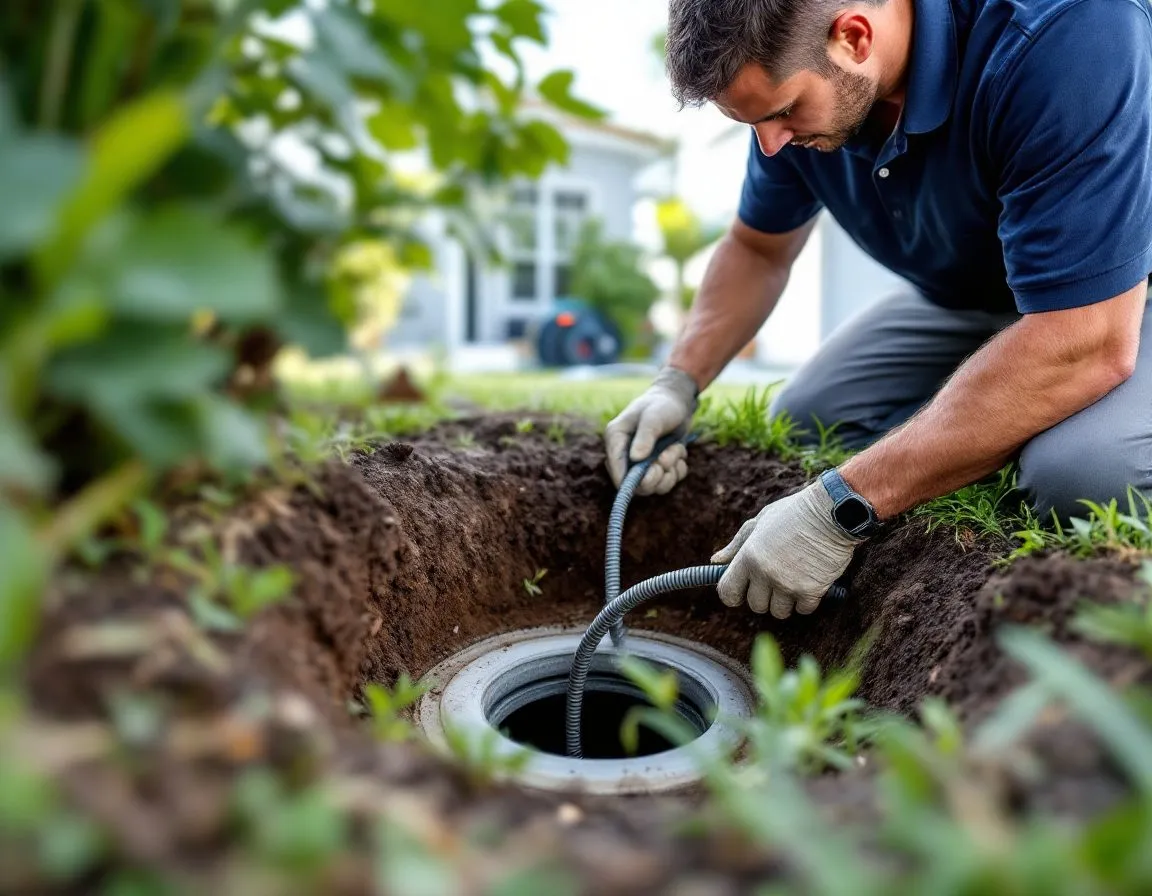
A damaged section of pipe can frequently be lined or replaced from one or two small pits rather than a continuous cut running end to end across the property, once the line’s condition is confirmed to allow it.
How does a sewer line get repaired without digging up the whole yard?
Two trenchless methods cover most jobs: lining, where a resin-saturated sleeve is drawn through the damaged pipe and cured into a new inner wall, and bursting, where a replacement pipe is pulled through while the old one is fractured and pushed outward ahead of it.
Both work from one or two small access pits rather than a continuous open cut, which matters on an older North Miami lot carrying mature trees, an established driveway, or landscaping that has had decades to mature undisturbed.
Not every line qualifies: a section that has collapsed or shifted significantly out of alignment usually still needs a traditional dig, which is exactly what a camera inspection is meant to determine before quoting either method.
A line running near a canal-side property’s seawall or a shared duplex lateral gets extra consideration for exactly where the access points go, since the surrounding ground and any neighboring line matter to the plan.
When trenchless is a realistic option
A camera inspection is what actually settles this, but a few things tend to point toward it well before that inspection happens.
Structural damage that has not fully caved the pipe is the clearest candidate for lining.
Trenchless methods avoid the wide, continuous trench that would disturb established trees or plantings.
Small access points avoid tearing out hardscape that a full trench would require replacing.
A line that has shifted or collapsed out of alignment usually needs a different approach.
Why this fits North Miami properties
Established lots and older infrastructure both make a real case for trenchless wherever the line actually qualifies for it.
Many North Miami properties still carry trees and plantings established well before any current owner, and an open trench would set that landscaping back by years, not weeks.
Trenchless and traditional repair both require a county permit; the method changes what gets disturbed on the property, not whether it needs to be inspected.
A property backing onto a canal often has a seawall, a dock or a retaining structure close to where the line runs, and a small access pit is far easier to place safely than a long open trench in that space.
Frequently asked
No, a collapsed or badly misaligned section usually still needs traditional excavation, which the camera inspection determines upfront.
Typically completed in a single visit once access points are established, considerably faster than a full trench and backfill.
It depends on the specific job; landscaping, hardscape and restoration costs from a traditional open-trench dig often end up offsetting most of that difference.
Yes, though the access point locations are planned around where the shared line actually runs.
Same dispatch line
The estimate costs nothing and comes with no obligation to book anything afterward.
