24/7 dispatch, based in North Miami

Water heater repair in North Miami

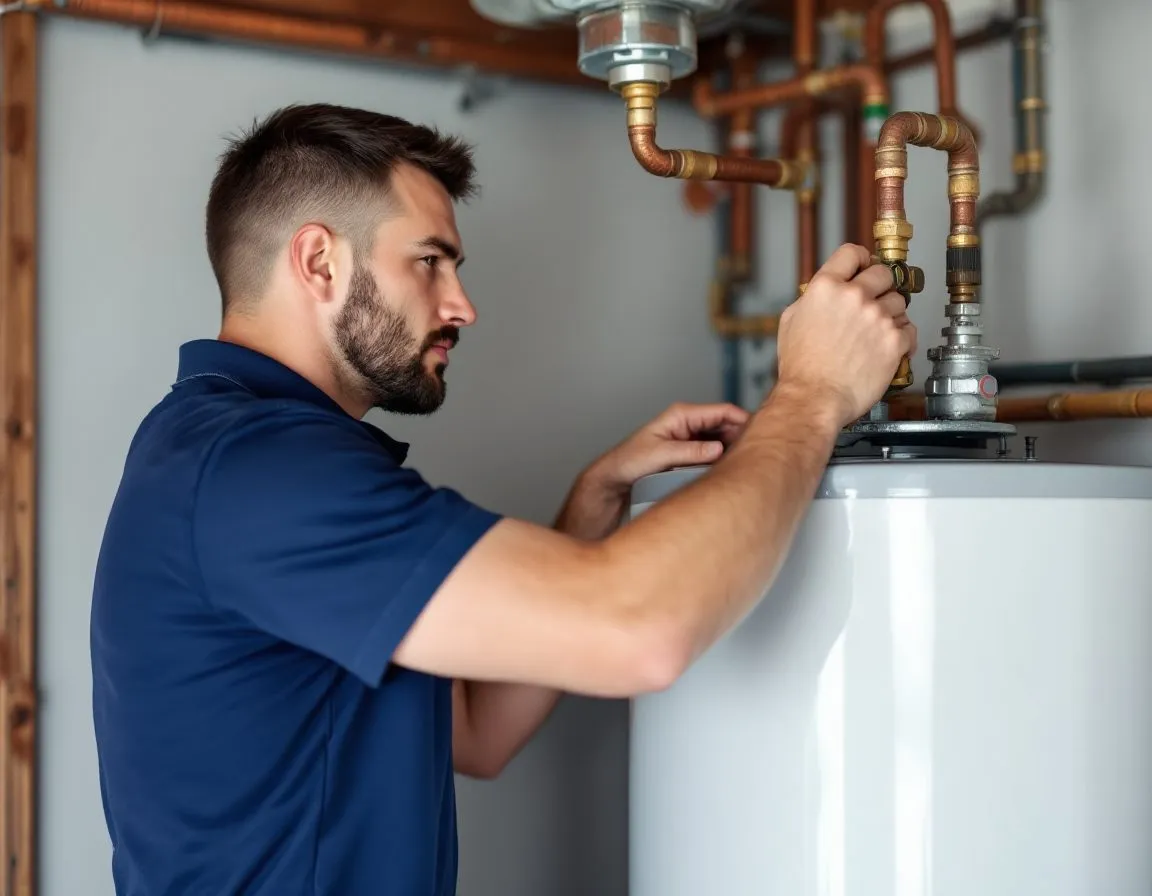
No hot water can mean a failed heating element, a tripped safety switch, or a genuinely dying tank, and each one gets diagnosed at the actual part before anything gets assumed.

  • Diagnosed at the specific part first
  • Gas and electric units both serviced
  • Replacement only suggested once repair does not make sense

What usually causes a water heater to stop producing hot water?

An electric tank losing hot water most often traces to a failed heating element or a tripped high-limit safety switch, both replaceable parts that do not necessarily mean the tank itself is at fault.

A gas unit that will not light usually points to the thermocouple, the pilot assembly or the gas control valve, each diagnosed individually rather than treated as one interchangeable problem.

A North Miami condo’s smaller, closet-mounted unit works harder relative to its size than a house’s larger tank does, so a part failure there can show up sooner in the unit’s life than the same failure would in a bigger system.

A unit still within a reasonable age range, generally under eight to ten years, is very often worth repairing rather than replacing, and that assessment happens honestly before any replacement is ever suggested.

What the symptom usually points to

Reading a water heater problem before calling

Different failures show up differently, and that difference matters for the fix.

  • Hot water runs out much faster than it used to

    Often one failed heating element on an electric unit, still working on the other.

  • The pilot light on a gas unit will not stay lit

    Usually a thermocouple issue, a small, inexpensive part relative to the whole unit.

  • Water temperature swings unpredictably during use

    A thermostat or a partially failed element are the most common causes worth checking first.

  • A popping or rumbling sound during heating

    Sediment buildup at the tank bottom, common with age and worth flushing before assuming a part has failed.

Local factors worth knowing

Why the same fix does not apply everywhere here

The type of home someone lives in changes how a water heater actually tends to fail, and how urgently that failure needs attention.

Condo units run smaller and work harder

A North Miami mid-rise condo’s closet-mounted unit is generally smaller than a house’s tank, and it recovers less quickly, so a household’s usage pattern is worth discussing honestly when diagnosing repeated issues.

Duplex households sometimes share water heating equipment

Some older North Miami duplexes were set up with one unit serving both halves; confirming that setup early avoids a fix that only addresses half the actual system.

Hurricane season affects electric units specifically

An outage during the June-through-November storm season stops an electric tank from heating until power is restored, which is worth factoring into how a household plans around a unit that is already showing its age.

Frequently asked

About repairing a water heater

Is it worth repairing an older unit at all?

Usually yes, if it is under roughly eight to ten years old and the failure is a specific part rather than the tank itself; that distinction is explained honestly either way.

Do you work on both gas and electric units?

Yes, both are serviced, and the diagnostic approach differs between the two since the failure points are different.

Why does my hot water run out so fast lately?

Often one heating element failing while the other keeps working, which still leaves noticeably less usable hot water than a fully functioning tank.

Is a permit needed for a repair, not a replacement?

Generally not for a straightforward part repair; a permit applies specifically to a full replacement in Miami-Dade.

No separate number

Water heater repair is a same-day call away

No separate line for water heater repair: one dispatch number, answered any hour.

(786) 894-3082